When customers look at a fast-food menu, they usually focus on one thing: the final price. Few people stop to think about why an item costs what it does or how that price was decided. At first glance, Wendy's menu prices may seem straightforward, but behind those numbers lies a complex system that the company never openly explains to customers. https://wendys-menuprice.com/
This article uncovers what Wendy's never explains about its menu prices, including hidden factors, pricing logic, customer behavior influence, and why the same item can feel expensive in one situation and reasonable in another.
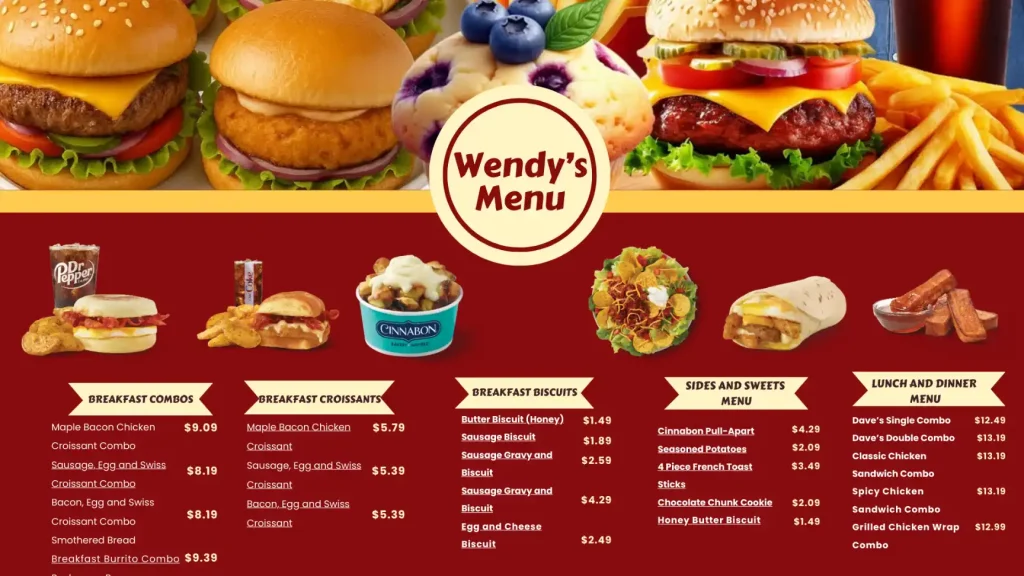
Why Wendy's Doesn't Fully Explain Its Pricing
Wendy's, like most major fast-food brands, keeps pricing explanations intentionally simple. Publicly explaining every cost factor would confuse customers and weaken marketing messages focused on value and freshness.
Instead of transparency, Wendy's relies on perceived fairness, brand trust, and familiar pricing patterns. This approach allows the company to adjust prices quietly while maintaining customer confidence.
The Real Factors Behind Wendy's Menu Prices
Most customers assume prices are based only on ingredients. In reality, Wendy's pricing is influenced by multiple layered factors, many of which are never mentioned.
1. Location-Based Cost Differences
Wendy's menu prices vary significantly by location, even within the same state. Local labor wages, rent and property costs, utility and supply expenses, and regional taxes all play a role. Urban locations typically charge more than suburban or rural ones. Wendy's does not clearly explain this to customers, which often leads to confusion when prices change between locations.
2. Labor Costs Play a Bigger Role Than Ingredients
Customers often believe food ingredients are the main cost driver. In reality, labor is one of the most expensive components of fast-food pricing. Higher minimum wages, longer operating hours, and staffing requirements directly impact menu prices. Wendy's adjusts prices to maintain profit margins, but this connection is rarely communicated to customers.
Why Combo Meals Appear Cheaper Than They Are
Combo meals are designed to feel like a deal, but Wendy's never explains how these prices are structured.
The Psychology Behind Combos
- Bundling hides individual item costs
- Drinks and fries have higher profit margins
- Customers spend more overall than planned
While a combo may look economical, it often costs more than selecting items strategically. Wendy's promotes combos heavily because they increase average order value.
Portion Control and Price Perception
Wendy's carefully balances portion sizes to control costs without making customers feel shortchanged.
What Customers Don't Realize
- Portion sizes are tested extensively
- Slight reductions often go unnoticed
- Protein portions are prioritized over sides
By keeping portions "just enough," Wendy's maintains satisfaction while managing ingredient and supply costs.
Why Some Items Seem Overpriced
Certain Wendy's menu items feel expensive compared to similar products elsewhere. This is not accidental.
Reasons Behind Higher-Priced Items
- Items with customization options
- Products with premium branding
- Limited-time or seasonal items
These items are often priced higher to offset lower margins on value items.
Limited-Time Items and Artificial Urgency
Wendy's frequently introduces limited-time menu items, but pricing strategy is rarely explained.
Why Limited-Time Items Cost More
- Short supply chains
- Marketing expenses
- Testing customer demand
- Willingness-to-pay psychology
Customers are more likely to accept higher prices when an item feels exclusive or temporary.
Why the "Value Menu" Isn't Really About Value
Wendy's value menu creates the impression of affordability, but it serves a deeper purpose.
What the Value Menu Actually Does
- Brings customers into the store
- Encourages add-on purchases
- Anchors higher-priced items
Low-priced items make standard menu items appear more reasonable by comparison.
Delivery Pricing: The Silent Price Increase
When ordering Wendy's through delivery platforms, customers often pay more without realizing why.
Hidden Delivery-Related Costs
- Higher base menu prices
- Service and platform fees
- Delivery charges
- Tip expectations
Wendy's rarely explains that delivery pricing is structured differently from in-store pricing, leading customers to believe prices have increased overall.
Why Prices Increase Without Announcement
Wendy's rarely announces price increases publicly. Small increases go unnoticed, customers adapt quickly, and there is no negative media attention. Instead of one large increase, Wendy's applies incremental pricing adjustments, which feel less disruptive.
How Customer Behavior Shapes Prices
Customer habits directly influence Wendy's pricing decisions.
Behaviors Wendy's Tracks
- Most ordered items
- Peak ordering times
- Combo vs single-item purchases
- Customization frequency
Items that sell well consistently are more likely to increase in price because demand remains stable.
Why Wendy's Prices Feel "Fair" Despite Increases
Even when prices rise, many customers continue to perceive Wendy's as fair. Consistent quality, familiar menu items, predictable portion sizes, and brand trust all contribute to this perception. Wendy's invests heavily in maintaining this image, which allows gradual price increases without major backlash.
Price Anchoring: A Subtle Strategy
Wendy's uses price anchoring to influence how customers judge value.
How Anchoring Works
- High-priced items appear first
- Premium items make standard items feel cheaper
- Combos appear more attractive alongside individual prices
This strategy shifts focus away from absolute prices and toward relative value.
What Wendy's Will Likely Never Explain Publicly
Despite growing interest in pricing transparency, Wendy's is unlikely to openly discuss exact profit margins, cost breakdowns per item, internal pricing formulas, or demand-based pricing models. Revealing this information would weaken competitive advantage and invite customer criticism.
What Customers Can Learn From This
Understanding Wendy's pricing logic allows customers to make smarter decisions.
Tips for Better Value
- Avoid automatic combo upgrades
- Compare single items before bundling
- Be cautious with limited-time items
- Watch delivery pricing differences
Knowledge helps customers regain control over spending.
Frequently Asked Questions
Final Thoughts
Wendy's menu prices are not random, nor are they purely ingredient-based. They are the result of careful planning, psychology, cost management, and customer behavior analysis. While Wendy's may never fully explain how prices are set, understanding the hidden logic helps customers decide when Wendy's is worth it — and when it isn't.
For those who value consistency, freshness, and balanced meals, Wendy's prices often make sense. For budget-focused customers, smarter ordering is essential.